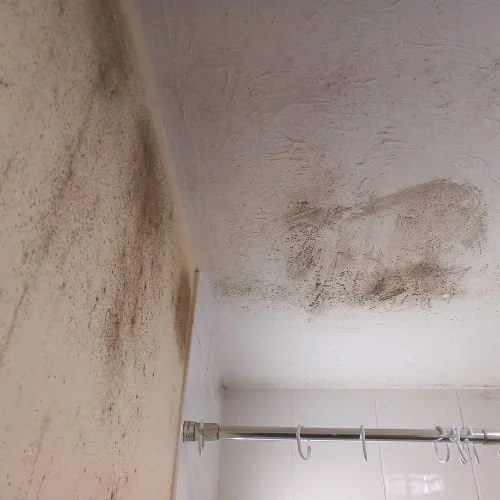
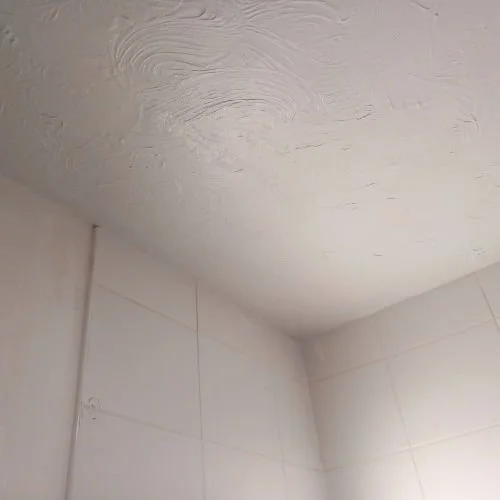
Mould across bathroom and bedrooms – owner-occupied semi-detached home.
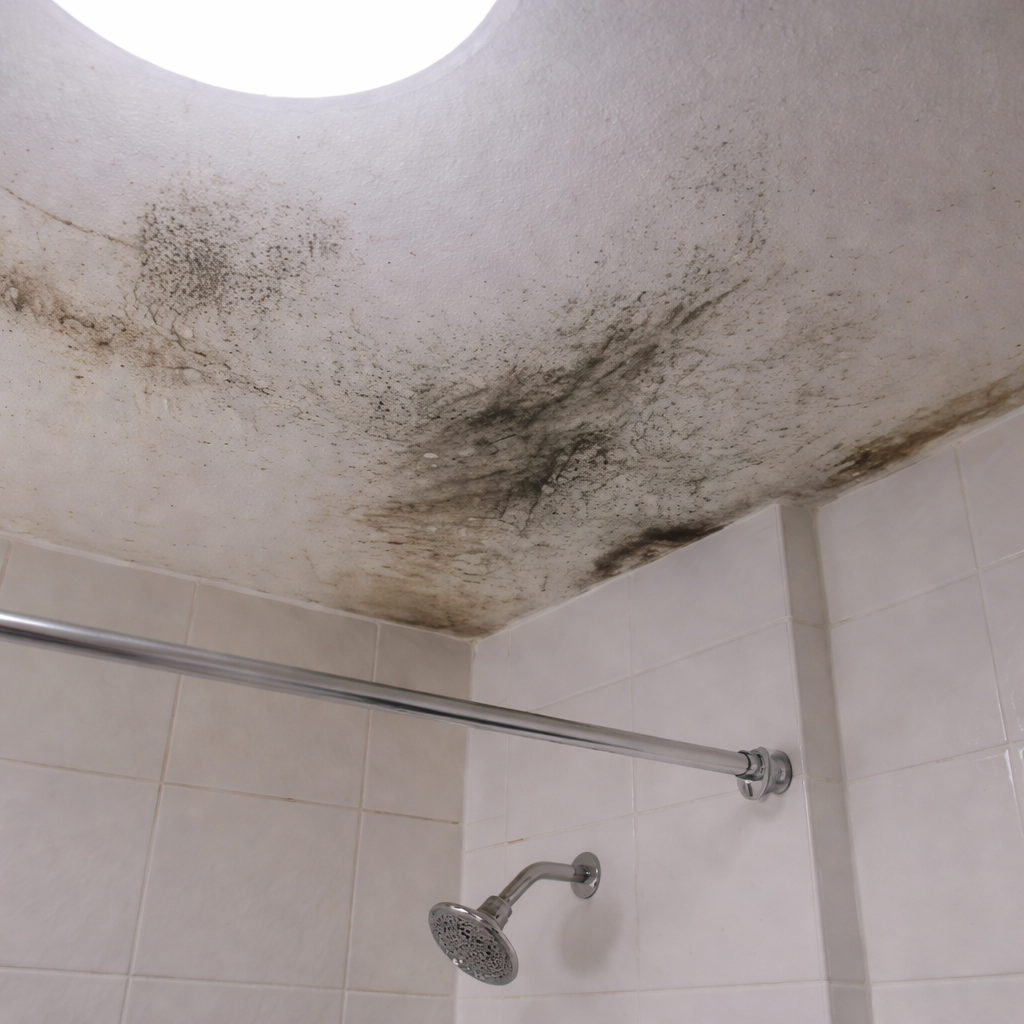
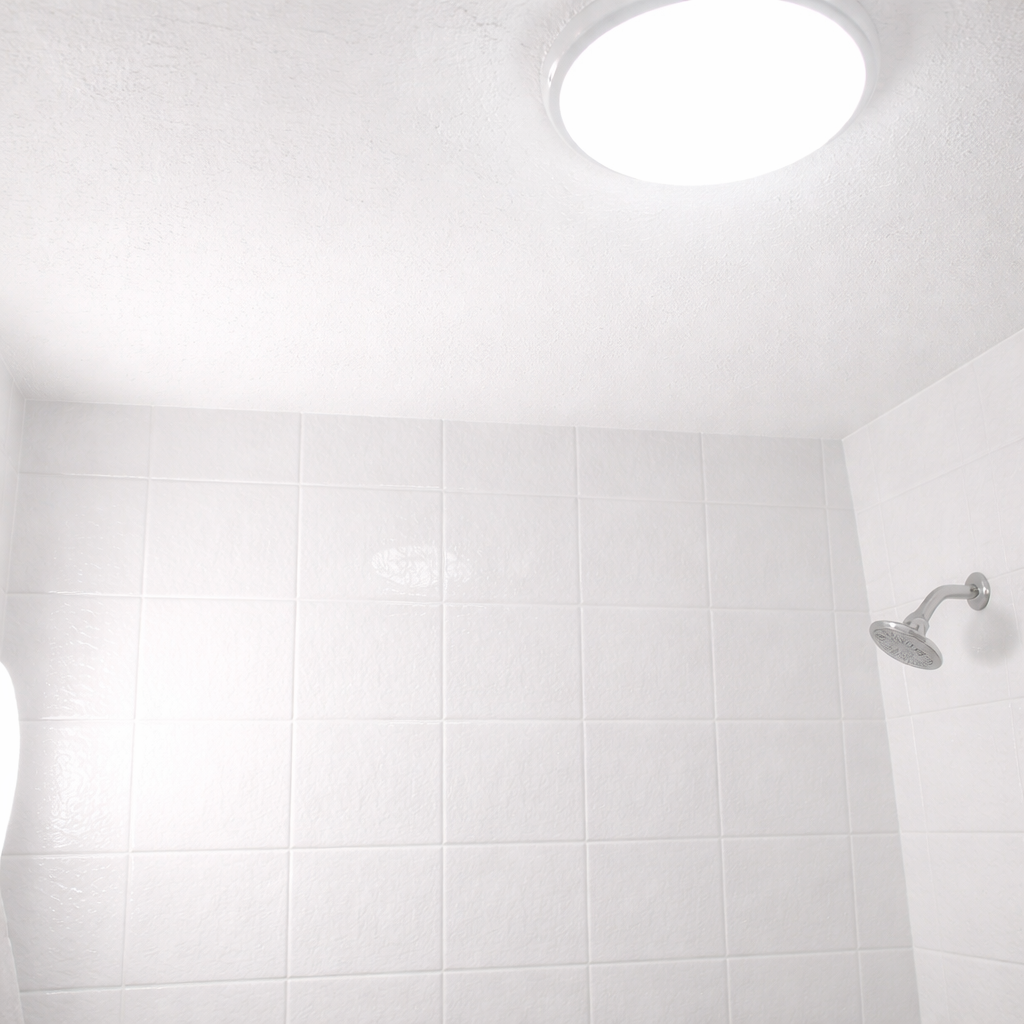
Property overview.
Property type: Semi-detached house
Occupancy: Owner-occupied
Rooms affected: Bathroom, back bedroom, front bedroom
Client: Homeowner (direct instruction).
The issue.
The homeowner contacted ClearCo due to ongoing mould and condensation issues affecting multiple rooms within the property. Mould was visible in the bathroom and both bedrooms, with particular concern around repeated reappearance despite regular cleaning.
The homeowner wanted clarity on why the mould kept returning and what would actually need to change to prevent it long-term, not just another surface clean.

Our approach.
As with all mould remediation works, we began with a full investigation before any treatment was carried out. Our aim was to identify the conditions causing mould, not just remove what was visible.
This included:
Visual inspection of all affected rooms
Photographic records
Moisture readings within walls and ceilings
Relative humidity, temperature and dew point readings
Surface temperature analysis to identify condensation risk areas.

Investigation findings.
Bathroom
Relative humidity: 80% (extremely high)
Air temperature: 16.3°C (cool for a bathroom)
Average surface temperature: 12.7°C (close to dew point)
The bathroom had no extractor fan, meaning moisture from bathing had no effective escape route. High humidity combined with cool surfaces was causing consistent condensation on walls and ceilings, directly feeding mould growth..
Front bedroom
Ceiling moisture content: 15.9% (elevated for a ceiling)
Relative humidity: 67%
Air temperature: 18.1°C
Surface temperature: 11.8°C
The wall-to-ceiling junction on the external wall was acting as a cold bridge, meaning the surface temperature regularly dropped low enough for condensation to form. This consistent moisture presence explained the mould found in that area..
Back bedroom
Relative humidity: 70%
Air temperature: 17.9°C
Average surface temperature: 12.3°C
Large furniture had been positioned tightly against an external wall, restricting airflow. This created a cold, stagnant air zone behind furniture where condensation could form unnoticed, allowing mould to develop out of sight.
Remediation work carried out.
Once the causes were clearly identified, mould remediation was carried out using our four-stage treatment process across all affected areas:
HEPA vacuuming to remove loose spores and surface contaminants
First-stage mould treatment to kill active surface mould
Second-stage treatment to target embedded spores and roots
Manual wash-down and clean of all treated surfaces
All identified mould was successfully treated.
Reporting & recommendations.
Following the works, the homeowner received a fully written Post Works Report, including:
All investigation readings
Photographic evidence
Confirmation of treatment stages
Clear, room-specific recommendations
Key recommendations included:
Installation of an extractor fan in the bathroom
Improving background heating to raise surface temperatures
Running a dehumidifier in affected bedrooms
Repositioning furniture away from external walls
Improving airflow around cold junctions
These recommendations were tailored to the property and based directly on the conditions measured during the visit.
Outcome.
All mould identified during the visit was treated successfully.
More importantly, the homeowner was given clear, practical guidance to address the underlying moisture and condensation issues that were driving mould growth.
By improving ventilation, airflow and humidity control, the likelihood of mould returning has been significantly reduced.

Why this case matters.
This property is a good example of how mould across multiple rooms often has multiple contributing factors — ventilation, temperature, airflow and surface conditions all working together.
Without investigation, these issues are often misdiagnosed or repeatedly treated at surface level. With the right data and a structured approach, they can be properly understood and managed.