
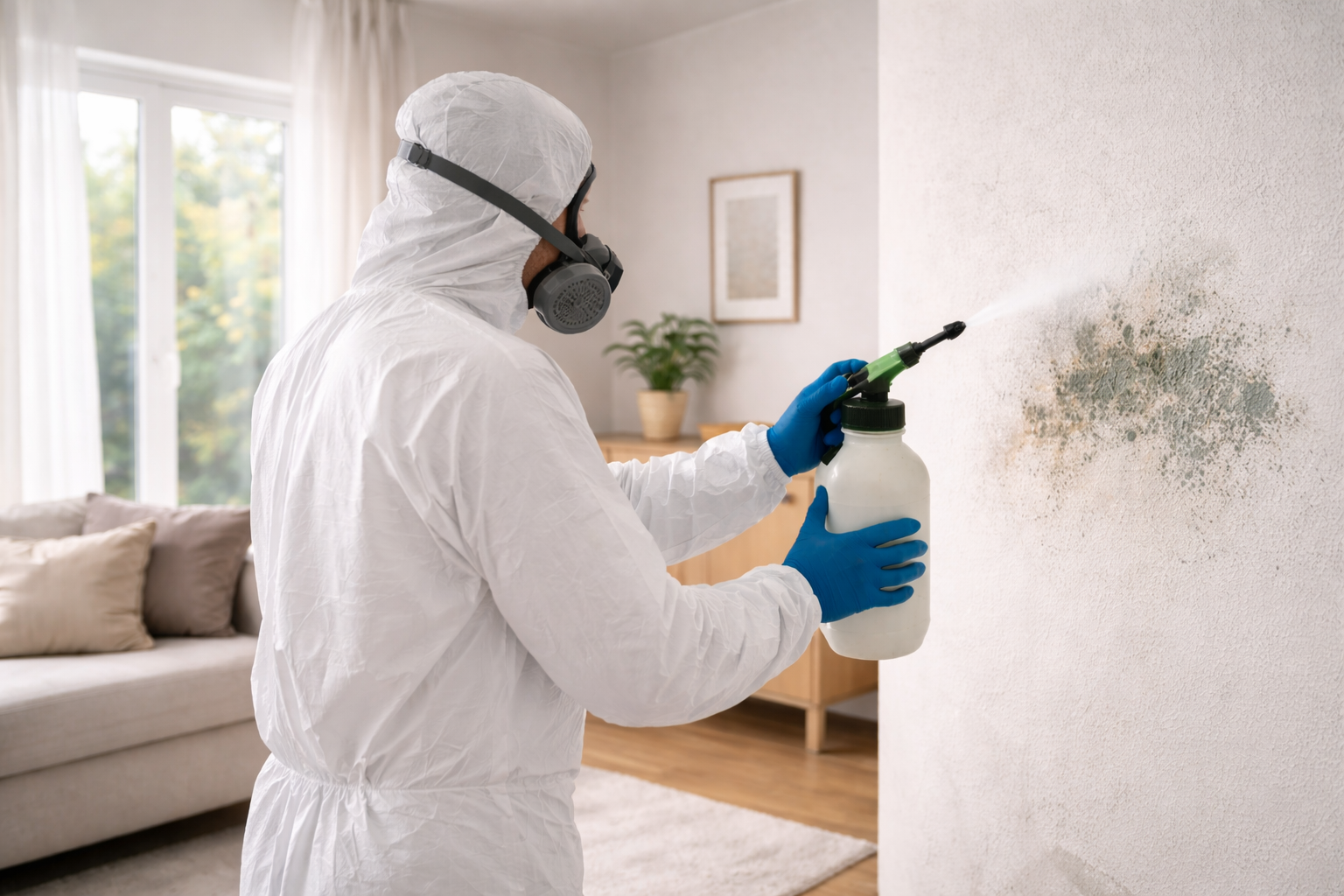
Mould Remediation
Professional mould remediation, carried out with compliance at its core.
Mould isn’t something you simply clean. It’s something you need to understand.
On this page, we explain how we investigate mould problems, the readings we take, and how our treatment process works.
If you’re looking for clarity, reassurance, and the “why” behind what we do, you’ll find it here.
Why investigation matters.
Mould is a symptom, not the cause.
Mould forms when moisture levels allow it to grow. That moisture can come from condensation, poor ventilation, leaks, or cold surfaces. Without identifying the source, any treatment is unlikely to last.
That’s why every job we carry out starts with a full investigation, not just surface-level treatment.
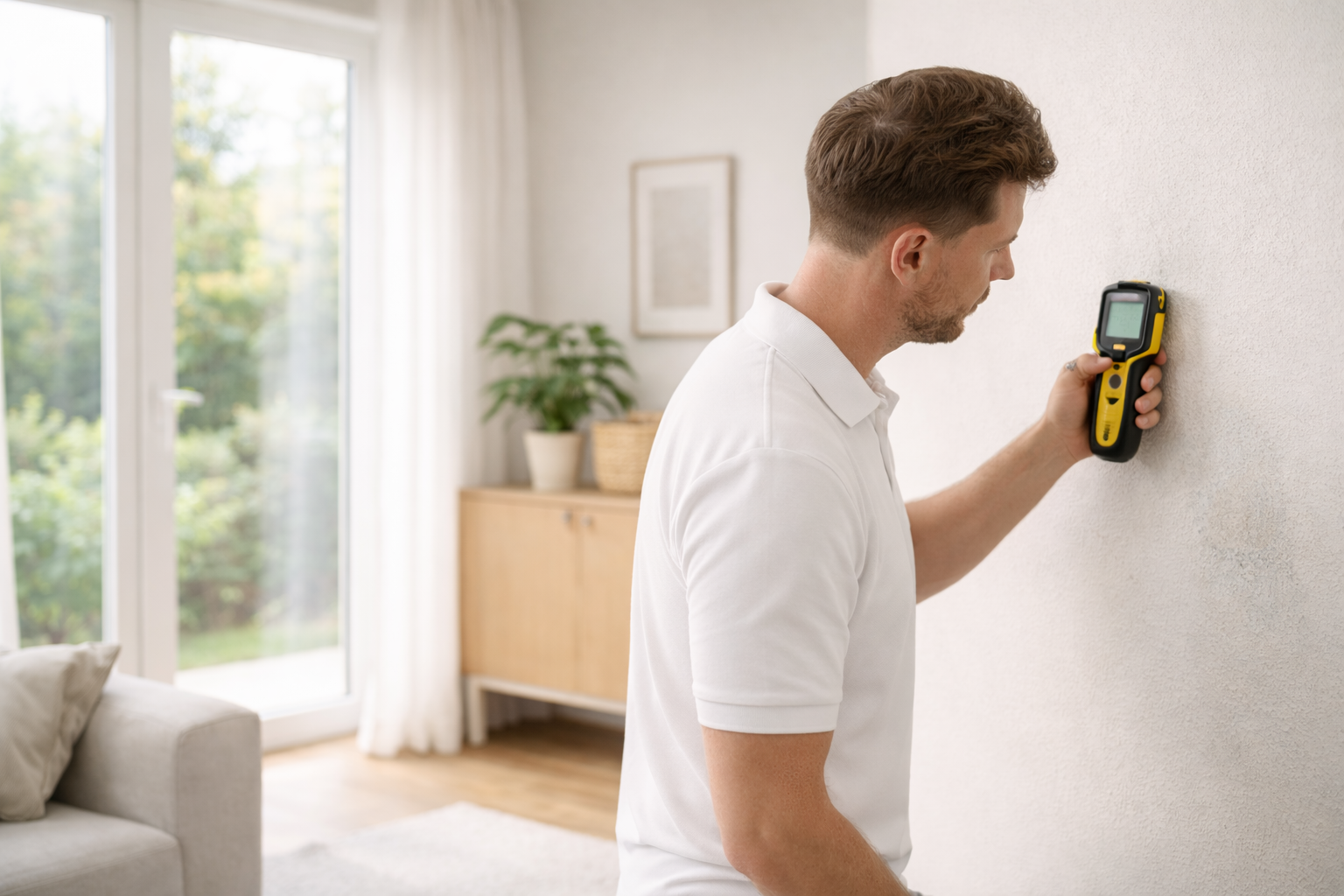
Our mould investigation process
Before any treatment begins, we carry out a structured investigation to understand what’s happening within the property.
We don’t rely on assumptions. We gather evidence.
This includes:
Visual inspection
Identifying affected areas, patterns of growth, and signs of condensation or ingress.Photographic records
Clear visuals to document conditions and support our findings.Moisture readings
Taken within walls, ceilings and building materials to identify excess moisture.Humidity readings
To understand how much moisture is present in the air.Temperature readings
Cold surfaces combined with warm air are a common trigger for condensation.Dew point analysis
This helps us identify where and when condensation is likely to form.
Together, these readings allow us to understand why mould has appeared, not just where.

Our mould treatment process.
We don’t just treat mould. We identify the cause, remove the contamination properly, and help prevent it coming back.

Stage 1 - Preparation & Containment.
Before any treatment begins, we prepare the area to ensure the work is carried out safely and cleanly.
Surrounding areas are protected where required
Airflow is considered to reduce disturbance of spores
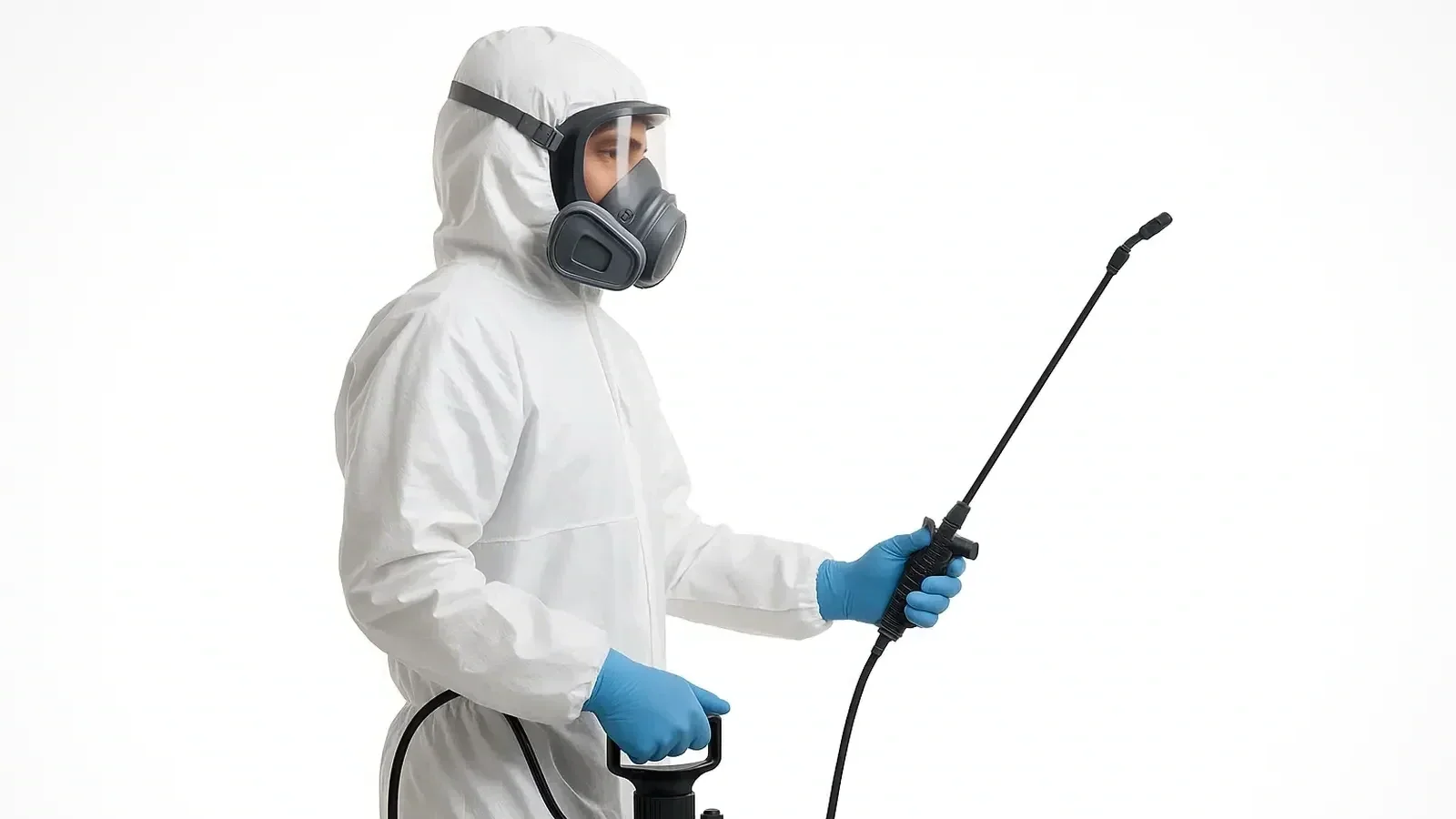
PPE and safe working practices are followed throughout
This ensures mould isn’t spread to other parts of the property during treatment.
Stage 2 -Physical Removal of Mould
Where materials and conditions require it, we prioritise physical removal of mould contamination.
This can include:
HEPA vacuuming affected surfaces
Damp wiping using microfibre cloths
Mechanical removal where growth is more established
This stage is key — because effective remediation is not just about killing mould, but removing it from the environment.
Stage 3 – Targeted Treatment & Surface Cleaning.
Once contamination has been reduced, we carry out a controlled treatment of the affected areas.
This involves:
Application of professional-grade antimicrobial solutions
Penetration into porous materials where needed
A full wipe-down to remove residues and remaining particles
This ensures surfaces are left clean, safe, and ready for redecoration if required.
Stage 4 – Final Clean & Detail Finish.
We carry out a final clean of all treated areas to ensure:
No visible residue remains
Surfaces are safe for occupants
The space is left in a clean, presentable condition
Attention to detail at this stage is what separates a proper remediation from a quick “wipe over”.
Clear documentation you can rely on.
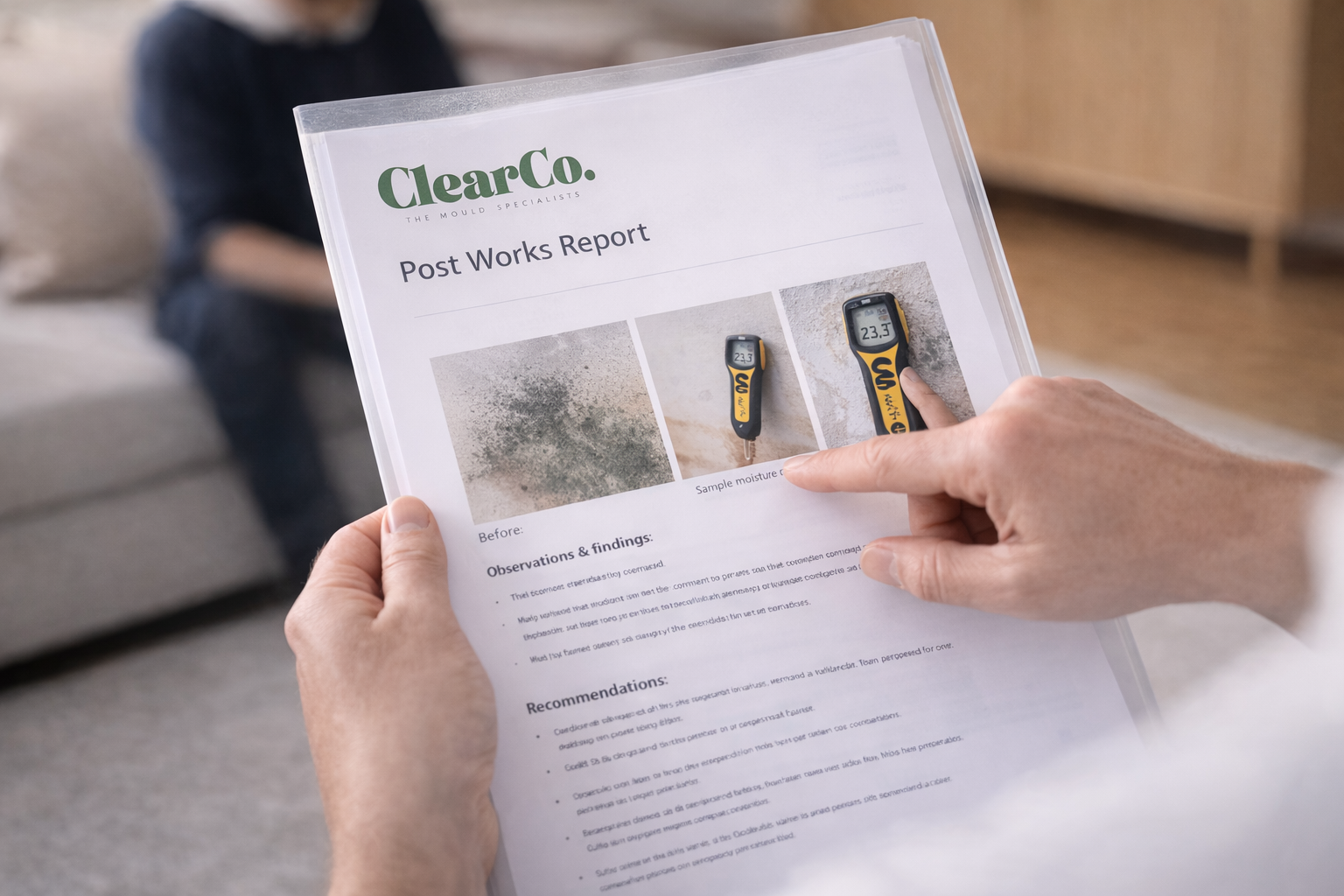
After every visit, you’ll receive a detailed report outlining:
Our investigation findings
All readings taken
The treatment carried out
Before-and-after photographs, including supporting visuals of readings
Clear, tailored recommendations to help reduce the likelihood of mould returning
This is particularly valuable for landlords, letting agents, and housing providers who need a clear audit trail for compliance, but equally reassuring for homeowners who want clarity and peace of mind.
Reporting & recommendations.
A final word on doing it properly.
Mould is rarely solved by cleaning alone. By combining proper investigation, structured treatment, and clear reporting, we ensure the problem is dealt with in the right way… not just the quickest way.
Frequently Asked Questions
-
Professional mould remediation goes beyond surface cleaning. It includes identifying the affected materials, safely treating and removing active mould, controlling spores during the process, and assessing the moisture source that allowed the mould to develop in the first place.
-
Yes. Standard mould cleaning typically removes visible staining only. Mould remediation focuses on killing active mould growth, reducing airborne spores, and addressing contributing factors such as condensation, humidity or damp materials to help prevent recurrence.
-
Yes. Black mould (Stachybotrys chartarum) is commonly found during mould remediation works. It requires careful handling and professional treatment to ensure it’s dealt with safely and effectively.
-
Mould remediation significantly reduces the likelihood of mould returning when the underlying moisture issue is addressed. If contributing factors such as poor ventilation, high humidity or water ingress remain, mould can reappear over time.
-
Yes. We regularly carry out mould remediation in rental properties and managed buildings. Our service includes clear documentation, moisture readings and practical recommendations, supporting landlords, letting agents and property managers.
-
In most cases, mould remediation can be completed while the property remains occupied. We’ll always advise if any temporary precautions are needed based on the scale and location of the work.
-
Timescales vary depending on the extent of the mould and the materials affected. Smaller areas may be treated in an hour or two, however, if it’s a larger project you might be looking at a full day.
-
We provide professional mould remediation across Kent and the wider South East of England, including London, Essex, Surrey and Sussex.